Medically Reviewed
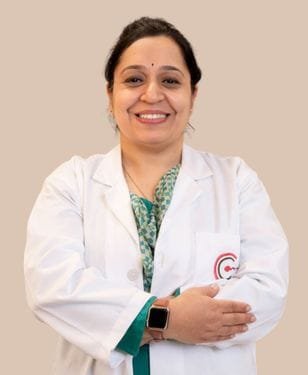
By Dr. Puneet Rana Arora : Founder & Director, CIFAR — Centre for Infertility & Assisted Reproduction, Gurugram FRCOG (Royal College of Obstetricians & Gynaecologists, UK) | MSc Reproduction & Development, University of Bristol, UK
Last Review Date : 10 June, 2026
Endometriosis Treatment at CIFAR IVF Centre
Expert, Compassionate, and Integrated Care for Women Seeking Fertility
Why Endometriosis Matters for Fertility
Endometriosis is a chronic, estrogen-dependent condition in which tissue that resembles the lining of the uterus (endometrium) grows outside the uterine cavity. It can affect:
| Feature | Typical Impact |
| Pelvic pain & dysmenorrhea | Reduces quality of life and can interfere with sexual activity. |
| Anatomical distortion | Adhesions, ovarian cysts (endometriomas), and tubal blockage impair egg-sperm interaction. |
| Inflammatory environment | Cytokines and oxidative stress can compromise oocyte quality and embryo implantation. |
| Reduced ovarian reserve | Repeated surgeries or longstanding disease may deplete the follicle pool. |
Because of these mechanisms, up to 30-50 % of women with endometriosis experience infertility. Early, accurate diagnosis and a tailored treatment plan are essential to restore reproductive potential.
The CIFAR IVF Centre Philosophy
“Treat the disease, nurture the patient.”
At CIFAR IVF Centre we combine state-of-the-art reproductive medicine with a multidisciplinary endometriosis program. Our goals are:
- Precise staging & early detection – Using high-resolution transvaginal ultrasound, 3T (3 Tesla) MRI, and, when needed, diagnostic laparoscopy.
- Disease control before conception – Through minimally invasive surgery, hormonal suppression, and lifestyle optimisation.
- Optimised IVF outcomes – by individualising ovarian stimulation when appropriate, and using frozen-embryo transfer (FET) cycles in the most receptive uterine environment.
- Holistic support – Psychological counselling, nutrition, physiotherapy, and pain-management clinics to address the emotional and physical toll of endometriosis.
Our multidisciplinary team includes:
- Reproductive Endocrinologists – design IVF protocols that respect your ovarian reserve.
- Gynecologic Endometriosis Surgeons – experts in laparoscopic and robotic excision/ablation.
- Pain & Hormone Specialists – optimize medical suppression and analgesia.
- Embryologists & IVF Laboratory Scientists – maintain a 5-star embryo culture environment (continuous-monitoring incubators, time-lapse imaging).
- Fertility Psychologists & Nutritionists – enhance mental resilience and metabolic health.
Our Endometriosis Diagnostic Pathway
- Initial Consultation – Detailed reproductive and pain history + physical examination.
- Imaging Suite
- Transvaginal sonography – maps ovarian endometriomas and assesses ovarian reserve (AMH, AFC).
- 3T (3 Tesla) MRI – delineates deep infiltrating lesions (DIE) and uterine adhesions.
- Laparoscopic Staging (if indicated) – Allows visual confirmation, precise rASRM score and the Enzian staging, and simultaneous therapeutic excision.
- Baseline Laboratory Work-up – Hormone panel (FSH, LH, estradiol, AMH), inflammatory markers, and infectious screen (if planning surgery).
Treatment Options – Tailored to Disease Stage & Reproductive Goal
| A. Medical Management (When Surgery Is Not Immediate) |
| Medication | Typical Indication | Key Benefits |
| Combined Oral Contraceptives (COCs) | Mild pain, hormonal regulation | Suppresses ectopic endometrium; provides reliable contraception while planning IVF. |
| Progestins (Dienogest, Norethindrone) | Moderate pain, small endometriomas | Anti-inflammatory, reduces lesion size, minimal impact on ovarian reserve. |
| GnRH Agonists (Leuprolide, Triptorelin) | Pre-IVF disease suppression (3–6 months) | Induces hypo-estrogenic state; improves implantation rates in severe disease. |
| GnRH Antagonists (Elagolix) | Women desiring quicker return to ovulation | Short-acting, less bone-density impact. |
| Aromatase Inhibitors (Letrozole) | Adjunctive pain control in refractory cases | Lowers local estrogen production. |
Medical therapy is often combined with pelvic physiotherapy or acupuncture for optimal pain relief.
B. Surgical Management – The Gold Standard for Stage III-IV Disease
| Procedure | When It’s Recommended | What It Achieves |
| Laparoscopic Excision of Endometriotic Implants | Deep infiltrating endometriosis, ovarian endometrioma >3 cm, tubal obstruction | Removes lesions, restores anatomy, improves pain and fertility odds. |
| Robotic-Assisted Laparoscopic Surgery | Complex posterior compartment disease, rectovaginal septum involvement | Superior dexterity and 3-D vision for meticulous dissection. |
| Cystectomy of Endometrioma (Stripping Technique) | Endometrioma causing ovarian distortion or before IVF | Preserves healthy ovarian cortex, improves oocyte yield. |
| Adhesiolysis | Filmy or dense adhesions impairing ovarian/pelvic mobility | Improves tubal function and ovarian accessibility. |
C. IVF – When Natural Conception Remains Unsuccessful
- Pre-IVF Optimisation
- Completion of surgical or medical disease suppression (if indicated).
- Nutritional + vitamin D optimisation (target 30-50 ng/mL).
- Stress – reduction programmes (mind-body therapy, yoga).
- Controlled Ovarian Stimulation (COS)
- Antagonist protocol (flexible GnRH-antagonist) – reduces risk of OHSS, shortens cycle, works well with low ovarian reserve patients.
- Mild stimulation (letrozole – based) – for women with diminished ovarian reserve (DOR).
- Trigger Strategy
- GnRH-agonist trigger for high-risk OHSS patients.
- Dual trigger (GnRH-agonist + low-dose hCG) to maximise oocyte maturation.
- Laboratory Excellence
- Time-Lapse Incubation (Embryoscope™) for non-invasive morphokinetic embryo assessment.
- PGT-A (Pre-implantation Genetic Testing for Aneuploidy) offered to improve implantation and reduce miscarriage, especially in patients >38 y or with recurrent loss.
- Embryo Transfer Strategy
- Frozen-Thawed Transfer (FET) in a hormone-replaced or natural cycle – shown to improve live-birth rates in endometriosis by avoiding supraphysiologic hormone environments.
- Luteal Support
- Vaginal progesterone (600 mg at Night) + oral estradiol (if using HRT-FET).
Holistic Support Services – Because Fertility is More Than a Lab
| Service | How It Helps |
| Fertility Psychology | One-on-one counseling, CBT for anxiety, and coping workshops. |
| Nutritional Medicine | Anti-inflammatory diet plans, omega-3 supplementation, glycemic control. |
| Pelvic Physiotherapy | Myofascial release, core stability training, diaphragmatic breathing. |
| Acupuncture & Traditional Chinese Medicine | Adjunct pain relief and hormone balance (documented to improve IVF outcomes in meta-analyses). |
| Patient Support Groups | Peer-to-peer sharing, moderated by a fertility nurse coordinator. |
| Financial Counseling | Transparent cost breakdown, insurance verification, and payment-plan options. |
Frequently Asked Questions
Q1 – Does IVF cure endometriosis?
No. IVF bypasses many of the anatomical barriers that endometriosis creates, but the underlying disease may persist. Ongoing medical or surgical management is recommended to control pain and prevent disease progression.
Q2 – Should I have surgery before IVF?
For stage III-IV disease, especially with large endometriomas (>3 cm) or deep infiltrating lesions, surgical excision improves IVF success rates (up to a 15 % absolute increase in live-birth rate). In stage I–II or minimal disease, many patients proceed directly to IVF after a short course of hormonal suppression.
Q3 – Will surgery affect my ovarian reserve?
When performed by an experienced endometriosis surgeon, cystectomy with a “stripping” technique preserves the ovarian cortex and typically results in a ≤5 % decline in AMH. In contrast, aggressive electrocautery can cause larger follicular loss.
Q4 – How many IVF cycles are usually needed?
Most women with endometriosis achieve pregnancy within 1–2 FET cycles when disease is optimally controlled and embryos are euploid. However, individual factors (age, ovarian reserve, embryo quality) influence the exact number.
Q5 – Is there a risk of ovarian hyperstimulation syndrome (OHSS) with endometriosis?
Women with endometriosis often have a lower ovarian response, reducing OHSS risk. Nonetheless, we use a GnRH-agonist trigger and freeze all embryos in high-risk cases to eliminate OHSS completely.
Q6 – What is the cost of treatment?
Costs vary according to the chosen pathway (medical only, surgery + IVF, or full integrated program). We provide a transparent, itemised estimate after the initial assessment and accept most major health-insurance plans. Flexible financing and “Pay-as-you-go” options are also available.
Book a endometriosis-fertility assessment – no obligation, no hidden fees.
For appointments or fertility consultations at CIFAR IVF Centre, you can call +91 9958009305, +91 9958005481, or 0124-4077788, email at helpdesk@cifarivf.com, or book online through CIFAR IVF Centre Online Scheduler.
References & Evidence Base
- Dr Puneet Rana Arora – Live Birth Following Transmyometrial Embryo Transfer – PMID: 32577071 PMCID: PMC7295255 DOI: 10.4103/jhrs.JHRS_88_19 – https://pmc.ncbi.nlm.nih.gov/articles/PMC7295255/
- European Society of Human Reproduction and Embryology (ESHRE) Guidelines 2023 – Management of Endometriosis-Associated Infertility.
- Klemmt PA et al., Fertil Steril 2022 – Impact of surgical excision on IVF outcomes in stage III–IV endometriosis.
- Harvey I et al., Reprod Biomed Online 2021 – Hormonal suppression before IVF improves implantation rates.
- American Society for Reproductive Medicine (ASRM) Consensus 2020 – Role of PGT-A in advanced maternal age and endometriosis.
All data are presented in compliance with local regulations and patient confidentiality standards.
CIFAR IVF Centre – Where advanced science meets compassionate care.

Add Your Comment