When couples begin fertility treatment, they often hear about injections, tablets, and hormone support. You might hear the term “Hormone Replacement Therapy” or “HRT” and immediately think of menopause.
But in the world of fertility, HRT means something entirely different. It is actually one of the most effective, gentle tools we use to help your body welcome and protect a new pregnancy.
At CIFAR IVF Centre, we use HRT carefully and scientifically to create the ideal environment for pregnancy. We believe that understanding your treatment takes away a lot of the fear. So, let’s understand exactly what HRT does in simple terms.
What is HRT in Fertility Treatment?
In fertility care, HRT does not mean menopause treatment. Here, it refers to supplementing estrogen and progesterone to:
- Prepare the uterus for embryo implantation
- Regulate menstrual cycles
- Support early pregnancy
Think of your uterus as a garden. For a seed (an embryo) to grow, the soil needs to be perfectly prepped, rich, and ready. Hormones are the nutrients that prepare that soil, helping your body get truly “pregnancy-ready.”
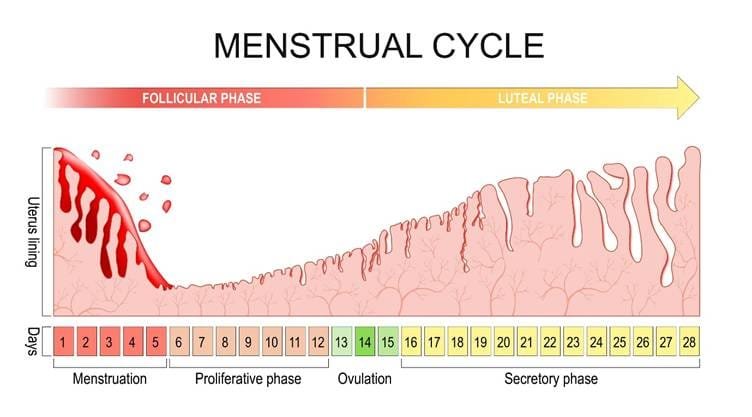
Main objective of HRT
Use interprofessional team techniques to enhance patient outcomes and care coordination for patients undergoing hormone replacement treatment.
Why Is HRT Important During IVF?
During In Vitro Fertilization (IVF), embryos are created in the lab and then transferred into the uterus. For implantation to happen successfully:
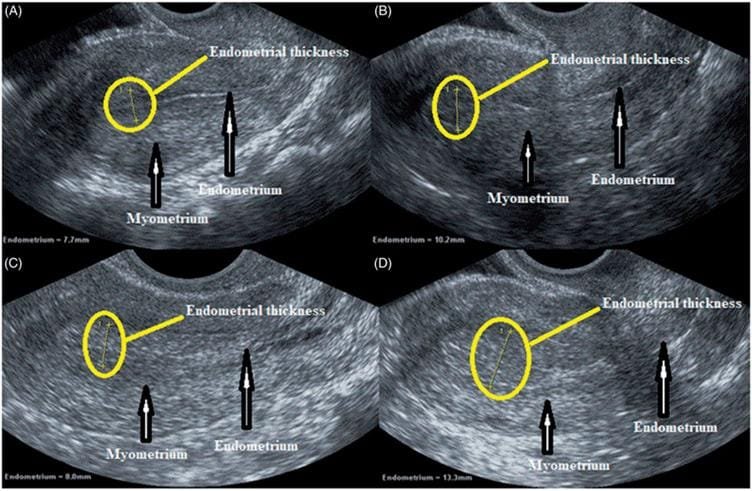
Image Source Credit : https://www.researchgate.net/figure/Ultrasound-scanning-sonographic-of-the-endometrial-thickness-measurement-A_fig7_337682120
✔ The uterine lining (endometrium) must be thick and healthy
✔ Hormones must be perfectly timed
✔ The body must actively support early pregnancy
In this process, Estrogen acts like the fertilizer, working to thicken the lining of your uterus so it becomes a soft, welcoming place. Once the lining is thick enough, Progesterone acts like a protective blanket, making the lining receptive and stabilizing it to support the embryo.
How HRT Helps in Different Fertility Situations
Preparing the Uterus for Embryo Transfer
In Frozen Embryo Transfer (FET) cycles, HRT allows us to control the exact timing of the transfer. Estrogen builds the uterine lining, and progesterone makes it receptive for implantation. This mimics a natural cycle, removes the guesswork, and improves success rates.
Irregular or Absent Periods
Some women have PCOS, Premature Ovarian Insufficiency (POI), or irregular ovulation. For these women, HRT gently overrides the unpredictable natural cycle to regulate periods, create predictable timing, and prepare the uterus properly so the embryo transfer happens at the exact right time.
Donor Egg Treatment
In donor egg IVF cycles for women with Premature Ovarian Insufficiency, the intended mother may not produce adequate hormones to prepare the uterus naturally. Therefore, Hormone Replacement Therapy (HRT) is used to build the endometrial lining and create a receptive uterine environment for embryo implantation and pregnancy.
Supporting Early Pregnancy
After an embryo transfer, your body needs to hold onto the pregnancy. Progesterone support is continued for 8–12 weeks. This strengthens the uterine lining and significantly reduces the risk of early miscarriage. This phase is called luteal phase support and is incredibly important for IVF success.
A Word from Dr. Puneet Rana Arora
Dr. Puneet Rana Arora, Founder and Director of CIFAR IVF Centre, heavily emphasizes that fertility care cannot be a one-size-fits-all process.
“Every woman’s body tells a different story,” says Dr. Puneet Rana Arora. “When we use hormone therapy, we aren’t just giving medications; we are looking at the smallest details of your specific cycle to improve your chances of a healthy baby. By carefully balancing your estrogen and progesterone, we give the embryo the absolute best possible environment to thrive. Our goal is always evidence-based, highly personalized care that makes you feel safe and supported.”
How Is HRT Given & Is It Safe?
Yes—HRT is highly safe when prescribed and monitored by fertility specialists. Fertility HRT is very different from long-term menopause therapy; it is short-term and strictly supervised.
Depending on your personalized treatment plan, hormones may be given as:
- Tablets
- Injections
- Vaginal gels or capsules
At CIFAR IVF Centre, dosages are carefully calculated. We monitor you closely through routine blood tests and ultrasounds to ensure your hormone levels are exactly where they need to be, keeping you comfortable and safe.
HRT Appointment at CIFAR
HRT in infertility treatment is about creating the perfect hormonal environment for implantation and pregnancy. It helps your uterus become ready, receptive, and supportive—giving your embryo the best possible chance to grow.
Don’t leave your dream of parenthood to chance. Because every successful pregnancy begins with the right preparation.
If you are planning IVF or struggling with irregular cycles, consult our reproductive & fertility experts today. Call CIFAR IVF Centre at +91 9958009305 to book your consultation with Dr. Puneet Rana Arora and take the first confident step toward growing your family.
Resource:
https://en.wikipedia.org/wiki/Hormone_replacement_therapy
Add Your Comment