Medically Reviewed
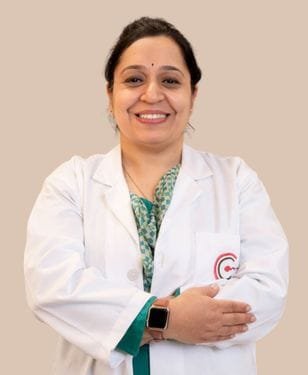
By Dr. Puneet Rana Arora : Founder & Director, CIFAR — Centre for Infertility & Assisted Reproduction, Gurugram FRCOG (Royal College of Obstetricians & Gynaecologists, UK) | MSc Reproduction & Development, University of Bristol, UK
Last Review Date : 24 Oct, 2026
Breast Cancer Awareness Month, October 2026
“What will this treatment mean for my fertility?” It’s a hard question to ask when you’ve just heard the word cancer. But asking it early can change what’s possible later.
Breast cancer in India: the numbers
India recorded 192,020 breast cancer cases in 2022, and it also had the world’s highest number of breast cancer deaths, at 98,337. Breast cancer makes up more than 26% of all cancers in Indian women. Estimates suggest annual cases could reach about 519,507 by 2050….4
Indian women are also often diagnosed younger. Breast cancer here tends to start almost a decade earlier than in many other countries. A study of women aged 18–30 treated in Ahmedabad found a high share of aggressive disease, with about 27% triple-negative. More young women are being diagnosed, and more of them are surviving, so life after treatment, including the chance to have a child, matters more than ever.
How treatment can affect fertility
Chemotherapy, radiation and surgery can damage the ovaries, leading to ovarian failure, early menopause or other reproductive problems. The good news is that this risk can often be planned around.
The gap: many patients never hear about fertility preservation
Awareness among doctors is improving, but too few patients are actually being referred:
- A 2026 survey of Indian oncologists found 89% were comfortable discussing fertility preservation, yet only 22.8% had ever successfully referred a patient for a fertility consultation. ….1
- In the same survey, nearly half said fewer than 25% of their patients ask about fertility….1
- A Northern India study found that only about half of healthcare workers caring for young cancer patients had referred patients for fertility preservation, while just 25% correctly knew that oocyte or embryo cryopreservation typically requires 10–12 days….2
- Among primary care physicians in India, about 60% lacked adequate knowledge of established fertility-preservation options.
So you may need to raise the topic yourself. Asking is not a delay or a distraction from treatment.
Your Fertility options can be
- Egg freezing (oocyte cryopreservation)
- Embryo freezing, where eggs are fertilised and frozen. IVF is described as the most efficient method of preserving fertility.
- Ovarian tissue preservation, for selected patients
- Medication to protect the ovaries during chemotherapy, in some cases
“Will it delay my cancer treatment?”
Usually not by much. Recent reviews report that random-start stimulation and letrozole-based protocols preserve fertility without meaningful delay, even in hormone receptor-positive disease. Letrozole keeps estrogen levels lower during stimulation, which is why it’s used for selected breast cancer patients. Whether it’s right for you depends on your tumour type, stage and treatment plan, so your oncologist and fertility specialist decide together.
Can you still become a mother after treatment?
Many women do. In a Dutch follow-up of breast cancer patients who preserved fertility, 41 of 58 who tried to conceive (71%) had at least one pregnancy after treatment. Research on pausing endocrine therapy to try for pregnancy also continues to be supportive. Your own outlook depends on your age, ovarian reserve and cancer type, so it should be assessed individually.
How CIFAR and Dr. Puneet Rana Arora support patients
Dr. Puneet Rana Arora is the Founder and Director of CIFAR, Fertility centre in Gurgaon, and is known for her work in oncofertility. She believes in “Preserve before you treat,” treating fertility preservation as time-sensitive and raising it at diagnosis rather than after recovery. At CIFAR, this means:
- Fast, coordinated planning with your oncologist, so fertility preservation fits around your treatment schedule
- Individualised protocols, including carefully designed stimulation for selected breast cancer patients
- Honest counselling about what is standard, what’s experimental and what to realistically expect
- Emotional support alongside the medical care. Counselling helps patients and couples work through the emotional toll and weigh their options.
- Continued care after treatment, including help with fertility concerns once cancer therapy is over
What to do this October
- Ask your oncologist: “Will this treatment affect my fertility, and can I see a fertility specialist before I start?”
- Book an oncofertility consultation as soon as possible after diagnosis, ideally before chemotherapy begins.
- Bring your diagnosis details, planned treatment and start date.
- Share what you’re feeling with your partner, family or a counsellor. You don’t have to decide alone.
CIFAR – Centre for Infertility & Assisted Reproduction Plot 561P, Sector 27, Gurugram, Haryana Phone: +91 9958009305 | WhatsApp: 8826539305 | helpdesk@cifarivf.com
Surviving cancer is not the end of the story, and your future dreams matter too.
Disclaimer: This article is for awareness only and isn’t medical advice. Statistics are drawn from GLOBOCAN 2022 estimates and published Indian studies. Please consult your treating doctors about your own situation.

Add Your Comment